Examining Geo-Targeted Notification Triggers That Steer Cross-Platform Shifts in State-Licensed Wagering Apps
Ulrich Peters · Jul 16, 2026
Examining Geo-Targeted Notification Triggers That Steer Cross-Platform Shifts in State-Licensed Wagering Apps
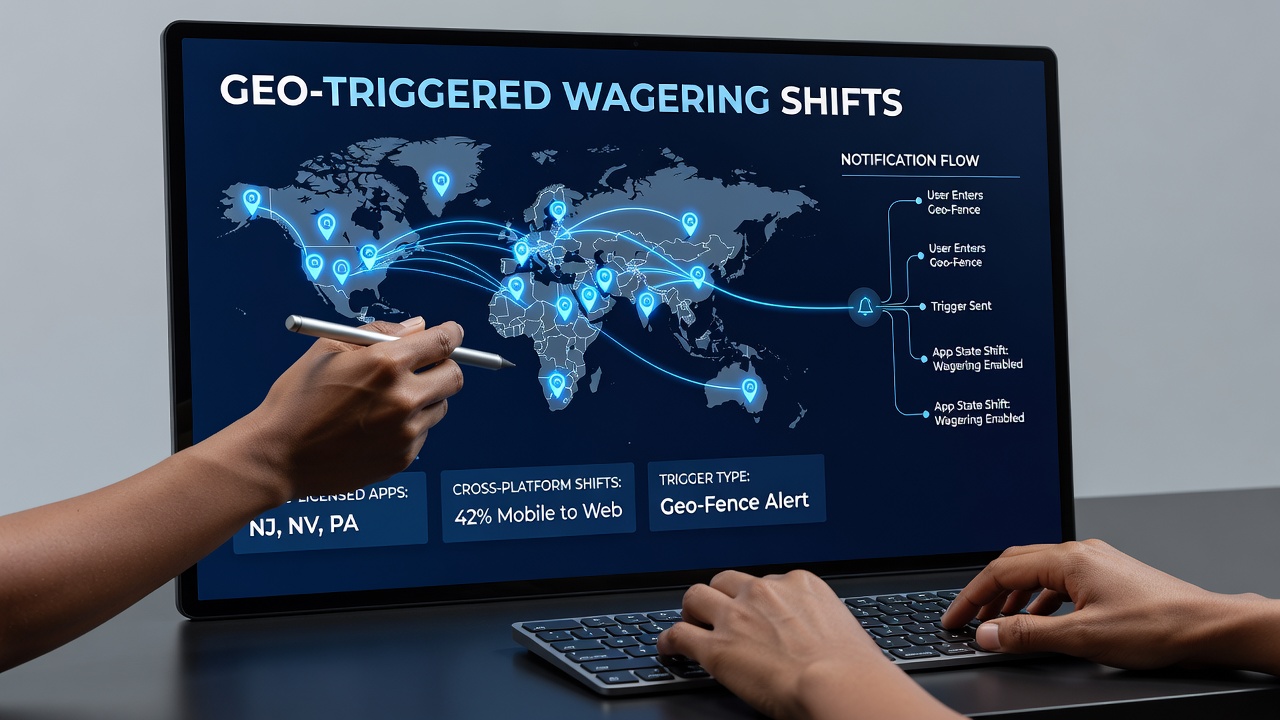
State-licensed wagering apps rely on precise location data to deliver notifications that align with regional regulations and user proximity to legal betting zones, and these systems have grown more sophisticated since early 2025. Developers integrate GPS coordinates with app permissions so that messages appear only when users cross into or near specific jurisdictions where certain promotions or features remain active. This approach lets operators adjust content in real time while staying compliant with each state's licensing requirements.
How Location Data Shapes Notification Delivery
Apps collect device location at the moment a user opens the platform or initiates a session, then match that signal against predefined geofences that correspond to state boundaries and approved betting corridors. When the match occurs, the system queues a notification that may reference a limited-time deposit match available only inside that state's licensed environment. Observers note that operators test different message formats by segmenting users according to travel patterns between neighboring states such as Pennsylvania and New Jersey or Michigan and Indiana. In July 2026, several major platforms reported measurable increases in session starts immediately after users received these boundary-triggered alerts.
The technical stack typically combines cellular triangulation with Wi-Fi network identification to improve accuracy near state lines where GPS signals can fluctuate. Developers refine these triggers through A/B testing that measures click-through rates against subsequent deposit or wager activity. Data from platform analytics shows that notifications referencing local events, such as a nearby professional sports matchup, generate higher engagement than generic offers.
Cross-Platform Movement Patterns Observed in 2026
Users frequently maintain accounts on multiple state-licensed apps because each jurisdiction maintains its own set of approved operators. Geo-targeted notifications can prompt an individual who has already placed a wager in one state to open a second app when they enter a neighboring market that offers a distinct promotion. Researchers tracking anonymized session data have documented sequences in which a user receives an alert while traveling, closes the current app, and launches another within minutes. These transitions become more common during periods of high sports activity when operators time their messages to coincide with game schedules that span multiple markets.
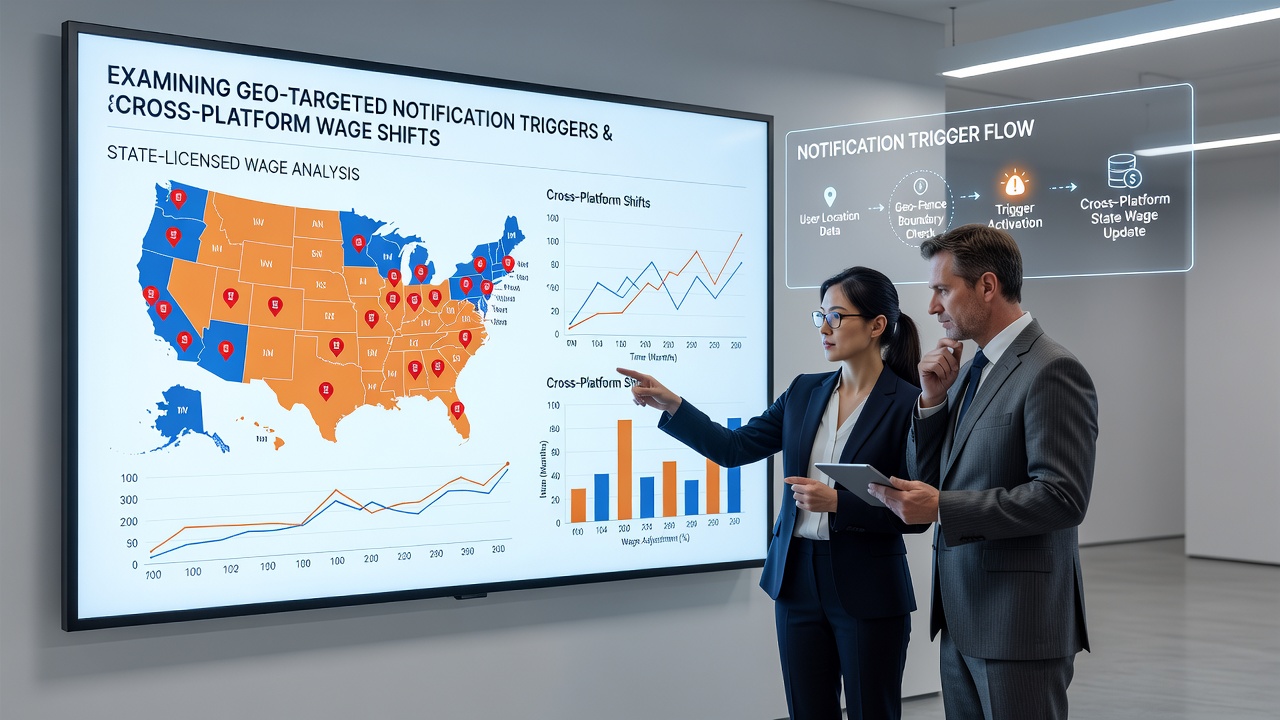
One documented pathway occurs when a user based in a state with stricter bonus restrictions receives a notification highlighting a more favorable structure available across the border. The alert includes a direct deep link that opens the competing app at the exact promotion page. Industry reports indicate that such links produce conversion rates that exceed those of standard push messages by measurable margins, particularly when the notification references the user's current location.
Technical and Regulatory Factors Influencing Trigger Design
State gaming regulators require operators to maintain detailed logs of notification content and delivery conditions so that compliance teams can verify messages remain within licensed boundaries. These records help demonstrate that promotions do not reach users outside the permitted jurisdiction. Operators therefore calibrate their geofencing parameters to account for highway corridors and airport zones where travelers might briefly enter a state without intending to wager there.
Developers also incorporate time-of-day filters that suppress notifications during late-night hours in certain markets, responding to state-specific responsible gaming guidelines. According to data released by the Nevada Gaming Control Board, notification volume in regulated apps increased steadily through the first half of 2026 while remaining within approved parameters. Similar patterns appear in reports issued by the New Jersey Division of Gaming Enforcement, which tracks how location-based messaging correlates with wager placement timing.
Behavioral Shifts Across Multi-State User Bases
Analysts examining aggregated user flows have identified clusters of accounts that show elevated activity in one state on weekdays and another on weekends, often aligned with travel for work or leisure. Geo-targeted notifications appear to accelerate these existing patterns by surfacing relevant offers at the moment a device registers a new location. Studies conducted by academic groups affiliated with the University of Nevada, Las Vegas, have mapped these movement sequences using anonymized datasets supplied by participating operators under strict data-sharing agreements.
What's interesting is how operators refine message timing to avoid notification fatigue, spacing alerts according to observed response windows rather than fixed schedules. Users who receive multiple messages within a short travel window show lower subsequent engagement rates, prompting platforms to implement cooldown periods between location-triggered communications. This adjustment helps maintain long-term retention while still capitalizing on the immediate relevance of a user's current position.
Conclusion
Geo-targeted notification systems continue to evolve as state-licensed wagering apps expand into additional markets throughout 2026. The combination of precise location matching, regulatory logging requirements, and observed user movement patterns creates a feedback loop that lets operators adjust triggers based on measurable outcomes. Continued monitoring by both regulators and platform teams will determine how these mechanisms influence cross-platform activity in the months ahead, particularly as more states finalize their licensing frameworks.